Introduction
Natural light photography is one of the best ways for beginners to learn how lighting works. It’s free, easy to access, and incredibly versatile. Whether you’re shooting portraits, lifestyle content, or social media photos, understanding how to work with natural light can dramatically improve your results.
At Shutter Shuffle, we often recommend natural light as the starting point for anyone learning photography. In this guide, you’ll learn simple, practical natural light photography tips you can use right away.
If you’re brand new to lighting concepts, we recommend reading our full breakdown of lighting fundamentals in our pillar guide:
Photography Lighting Basics: A Complete Guide for Better Photos
What Is Natural Light Photography?
Natural light photography uses light from the sun rather than artificial sources like studio lights or flash. This includes:
- Window light
- Outdoor sunlight
- Shade and reflected light
- Golden hour lighting
Natural light changes throughout the day, which makes it both beautiful and challenging — but learning to adapt is key.
Best Times of Day to Use Natural Light
Golden Hour (Best Overall)
Golden hour happens shortly after sunrise and before sunset.
Why it’s ideal:
- Soft, warm light
- Flattering skin tones
- Minimal harsh shadows
- Cinematic look
Golden hour is perfect for portraits, senior photos, and branding shoots.
Midday Light (Use with Caution)
Midday sunlight is harsh and comes from directly overhead.
Problems with midday light:
- Deep shadows under eyes
- Squinting
- High contrast
If shooting midday:
- Use shade
- Shoot near reflective surfaces
- Avoid direct sunlight on faces
How to Use Window Light Indoors
Window light is one of the easiest and most flattering natural light sources.
Tips for window light photography:
- Face your subject toward the window
- Turn off indoor lights
- Use sheer curtains to soften light
- Stand at a slight angle for depth
This setup works beautifully for:
- Portraits
- Food photography
- Product shots
- Lifestyle images
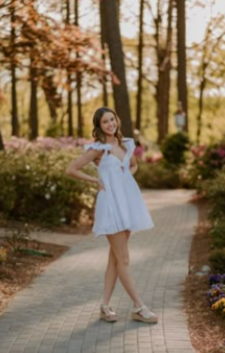
Outdoor Natural Light Tips
When shooting outside:
- Look for open shade (under trees, buildings)
- Avoid patchy sunlight
- Watch cloud cover for even lighting
- Use white walls or pavement to reflect light
Natural reflectors help bounce light back onto your subject and reduce shadows.
Direction Matters More Than Brightness
Where light comes from matters more than how bright it is.
Best angles:
- Side lighting for depth
- Slight backlighting for glow
- Avoid straight overhead light
Move your subject before changing your camera settings — positioning alone can transform the photo.

Common Natural Light Mistakes
Avoid these beginner mistakes:
- Shooting in direct midday sun
- Mixing indoor and outdoor light
- Ignoring shadows
- Standing too far from light sources
Learning to see light takes practice, but it’s worth it.
Final Thoughts on Natural Light Photography
Natural light photography teaches you how light behaves — which is the foundation of all photography. Once you understand natural light, learning artificial lighting becomes much easier.
For a full breakdown of lighting types, mistakes, and setups, explore our main guide:
Photography Lighting Basics: A Complete Guide for Better Photos